

Gombe State ACReSAL & Climate Change
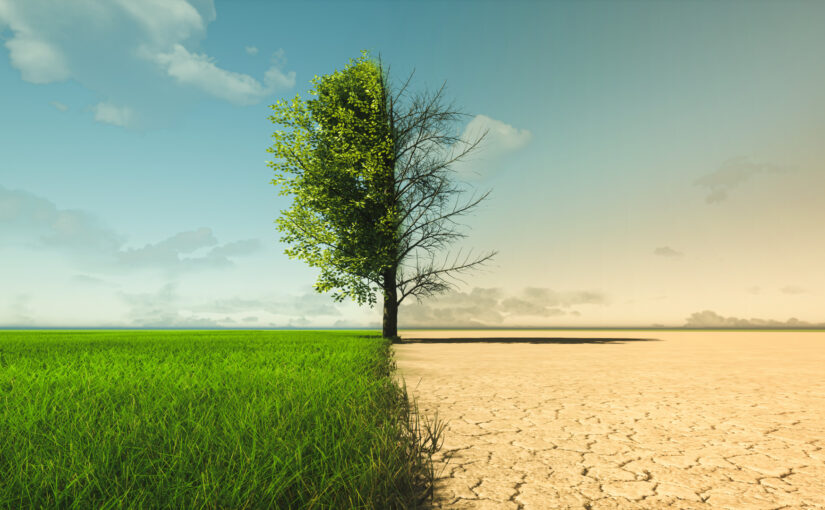
Gombe State just like all other semi- arid regions across the world such as The Sahel, the horn of Africa, parts of India, the middle east and the western US, are experiencing global warming more acutely than many other parts of the world. These warmings are occurring at a faster rate than the global average. This makes Gombe State a critical “hotspot” for experiencing the direct consequences of global warming. The Gombe State Agro- Climatic Resilience in Semi-Arid Landscape (ACReSAL) has executed several projects in order to create awareness on Global warming in Gombe State as well as combat and mitigate the impacts of Global warming on agriculture and livelihood within the State
The impacts are already being felt and will intensify with every fraction of a degree of warming. Rising temperatures directly transform semi-arid regions by intensifying evaporative demand, measured as evapotranspiration (ET), causing rain to evaporate or transpire from soil and plants more quickly, resulting in net water loss even if rainfall stays constant. Heat stress damages staple crops like maize and beans by exceeding pollination thresholds and slashing yields. Livestock such as cattle, goats, and sheep suffer reduced fertility, milk production, weight gain, and potential mass die-offs during heatwaves. Human health declines with more heatstroke, dehydration, and cardiovascular issues, particularly affecting outdoor workers, the elderly, and children. Gombe State ACReSAL has worked on several projects to reduce such devastating impacts within the state such as the execution of statewide climate action through tree planting, partnering with several humanitarian and social organizations such as The Gombe State Football Association, Jewel Bikers and National Gallery of Art. Tree planting are vital in semi-arid regions to counter global warming’s impacts. Trees and vegetation stabilize soil, reducing erosion from wind and intense rains while preserving fertile topsoil. Their shade and transpiration cool the local environment, lowering evaporative demand and easing heat stress on crops, livestock, and people. Overall, strategic planting restores resilience against drought, land degradation, and extreme heat.
In semi-arid regions, adaptation to rising heat focuses on heat-resilient agriculture through switching to drought-tolerant crops like millet, sorghum, and cowpea, distributing heat-tolerant seeds with shorter cycles, and integrating agroforestry for shade that cools soil and reduces evaporation. Gombe State ACReSAL engages consulting firms such as Precision Development (PxD) to carry out comprehensive needs assessment in Gombe state in efforts to develop a Digital Precision Agricultural Extension (DPAE) as a platform aiming to deliver climate-smart, location specific agricultural advisory services as the means to combat and mitigate impacts of Global Warming on agriculture.
Global warming catalyzes cascading effects in semi-arid landscapes, degrading ecosystems, threatening water and food security, and endangering millions of livelihoods. The dual response requires aggressive global emission cuts to slow warming and urgent scaling of localized climate-resilient practices using existing knowledge and technology. And Gombe State ACReSAL is tirelessly putting in the effort necessary to provide significant responses to halt and mitigate these impacts of Global Warming in Gombe State.